What to do if your boiler is overheating
If your boiler is overheating in Medford, it's crucial to act quickly. This guide covers troubleshooting steps and when to call for help.
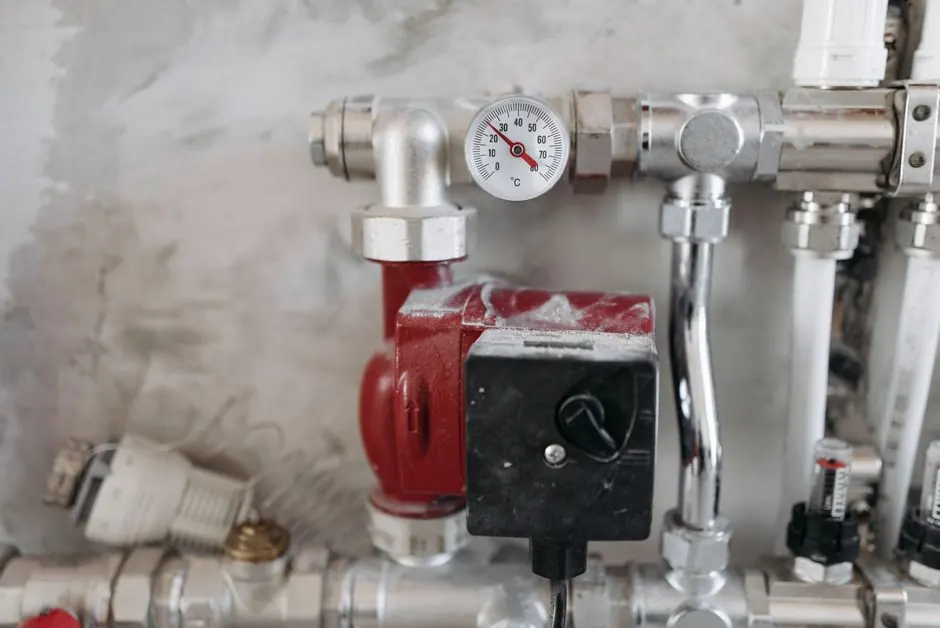
A boiler overheating in Medford, MA, can lead to serious damage and safety hazards. If your boiler is overheating, take immediate action to troubleshoot the issue and prevent further complications.
This article will guide you through the causes of overheating, troubleshooting steps, emergency measures, prevention tips, and when to call a professional.
What causes a boiler to overheat?
A boiler overheating in Medford MA is often caused by several factors, including a malfunctioning thermostat, low water levels, or a failed pump. When the temperature exceeds the safe operating range, it can lead to pressure build-up and potential system failure.
How to troubleshoot an overheating boiler in Medford
To fix overheating boiler in Medford, start by checking the thermostat settings. Ensure that it is set correctly and functioning as intended. If the thermostat is faulty, it may cause the boiler to run continuously, leading to overheating.
Next, inspect the water levels in the boiler. Low water levels can cause the boiler to overheat. If the water level is low, you may need to add water to the system. Check for any leaks that could be causing the water loss.
Another important step is to examine the pump. If the pump is not working correctly, it may not circulate water efficiently, causing the boiler to overheat. Listen for unusual noises from the pump, which may indicate a malfunction.
Emergency steps for overheating boilers in Medford
If you notice your boiler is overheating, take these emergency steps:
- Turn off the boiler immediately to prevent further damage.
- Check the pressure gauge. If it exceeds the recommended level, release some pressure by using the release valve.
- Allow the boiler to cool down before attempting any repairs.
- Do not attempt to open the boiler while it is still hot or under pressure.
These emergency measures can help mitigate damage until a professional can assess the situation.
How to prevent boiler overheating in Medford?
Preventing boiler temperature issues in Medford, Massachusetts, requires regular maintenance and monitoring. Schedule annual boiler maintenance Medford MA to ensure all components are functioning correctly. During maintenance, a technician will check the thermostat, water levels, and pump operation.
Additionally, consider installing a pressure relief valve to help manage pressure levels and prevent overheating. Regularly inspect your boiler for leaks and unusual noises, which can signal potential issues before they escalate.
Common mistakes to avoid
Many homeowners make critical mistakes when dealing with boiler overheating. Here are some common pitfalls:
- Ignoring warning signs, such as unusual noises or fluctuating temperatures.
- Neglecting regular maintenance, which can lead to more severe problems.
- Attempting DIY repairs without proper knowledge can worsen the situation.
When to call a professional
If your troubleshooting efforts do not resolve the overheating issue, it's time to call a professional. The experts at boiler repair pros can diagnose and fix the problem efficiently. They have the tools and experience necessary to handle complex boiler issues safely.
Frequently Asked Questions
What causes a boiler to overheat? A boiler can overheat due to a faulty thermostat, low water levels, or a malfunctioning pump. Regular maintenance can help prevent these issues.
How to prevent boiler overheating in Medford? Regular maintenance, monitoring water levels, and ensuring proper pump function are key to preventing overheating. Schedule annual check-ups to keep your boiler in optimal condition.
What should I do if my boiler is overheating? Turn off the boiler immediately, check the pressure gauge, and allow it to cool down. Contact a professional if the problem persists.
Can I fix an overheating boiler myself? While some troubleshooting can be done, significant issues should be handled by a professional to avoid safety risks.